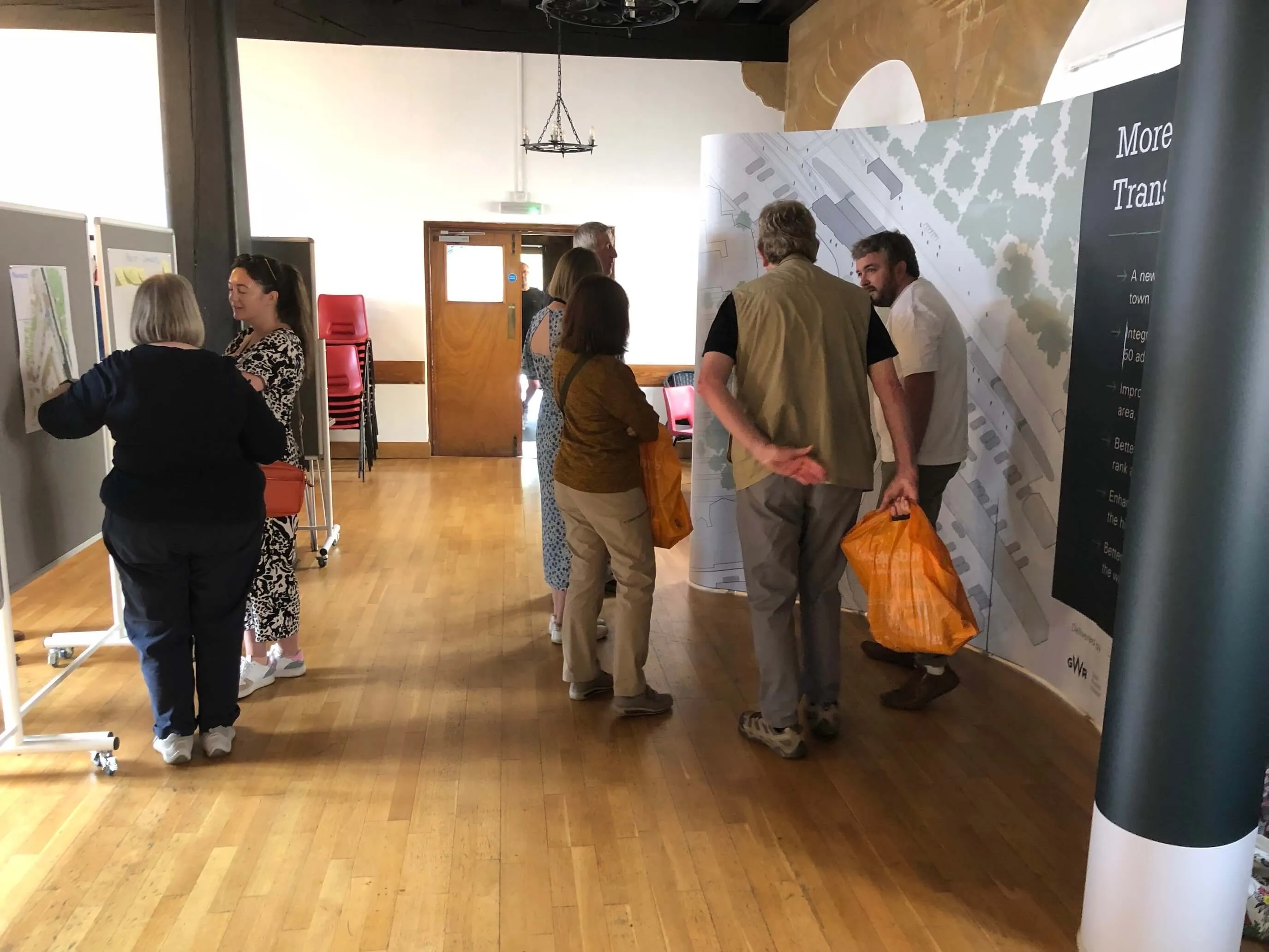
The project required a coordinated approach to addressing existing town-centre parking pressures while exploring the potential for a more integrated and sustainable transport hub. The site presented a range of opportunities and constraints that needed to be carefully assessed, with engagement from the Town Council, GWR, Network Rail and other stakeholders essential to establishing a viable solution. The proposals also needed to comply with Network Rail's standards and requirements while balancing increased parking capacity with improved facilities for pedestrians, cyclists and public transport users. Public consultation was important in understanding local priorities and ensuring the emerging design responded to the needs of the community.
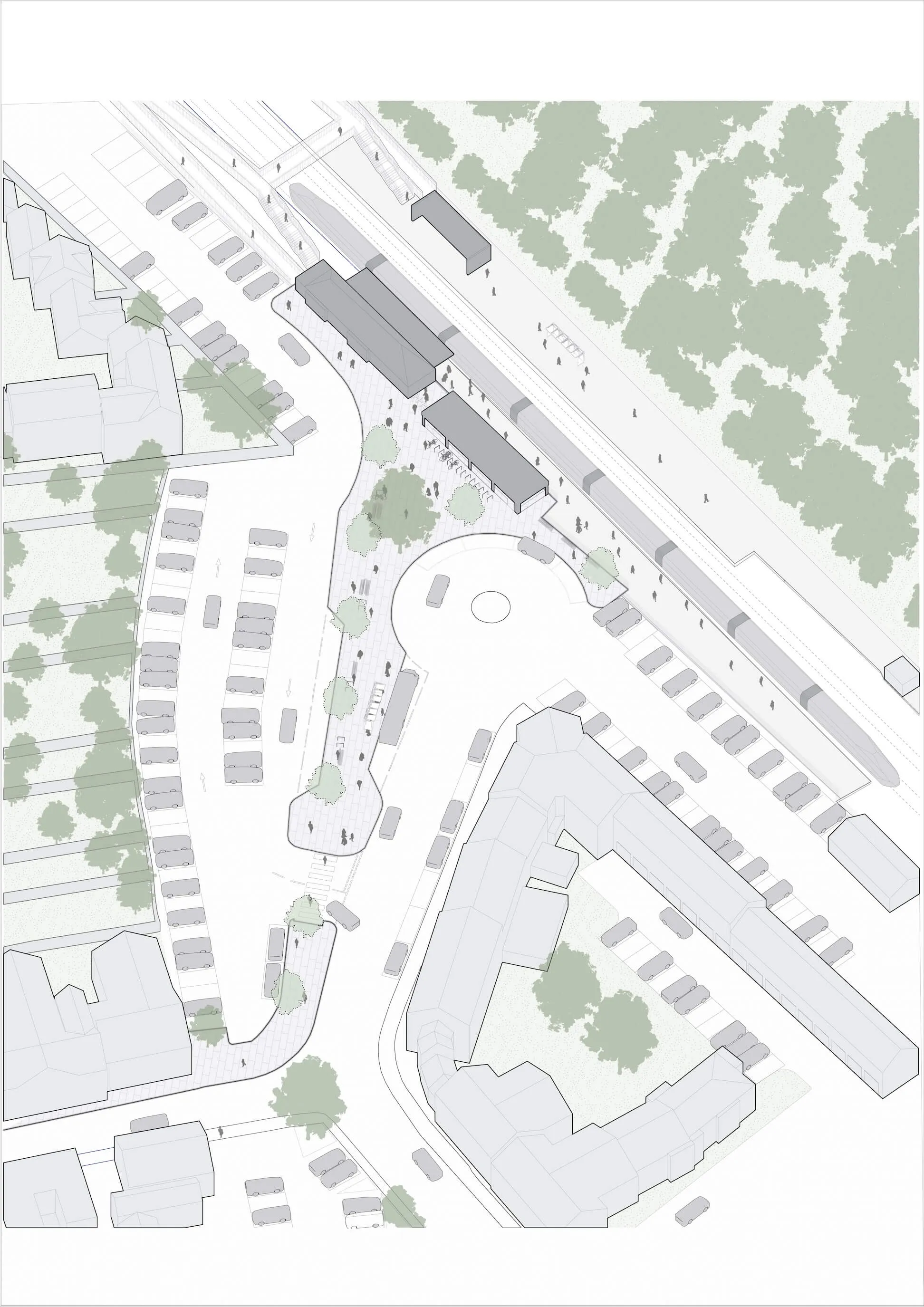
Fatkin undertook detailed site analysis and extensive stakeholder engagement to identify and prioritise the key opportunities and constraints, working closely with Network Rail to develop proposals that met its requirements. A public consultation event in summer 2024 provided an opportunity to gather feedback and inform the developing design. The proposals incorporate 166 parking spaces, including 16 electric vehicle charging spaces and nine accessible EV spaces, alongside cycle parking for 122 bicycles and potential future facilities for bicycles and e-scooters. Improved bus stop facilities and enhanced public realm were also integrated to create a more accessible and welcoming arrival experience for station users and passers-by. Fatkin's understanding of Network Rail standards helped shape a coordinated, deliverable solution across the RIBA 1–3 design process.
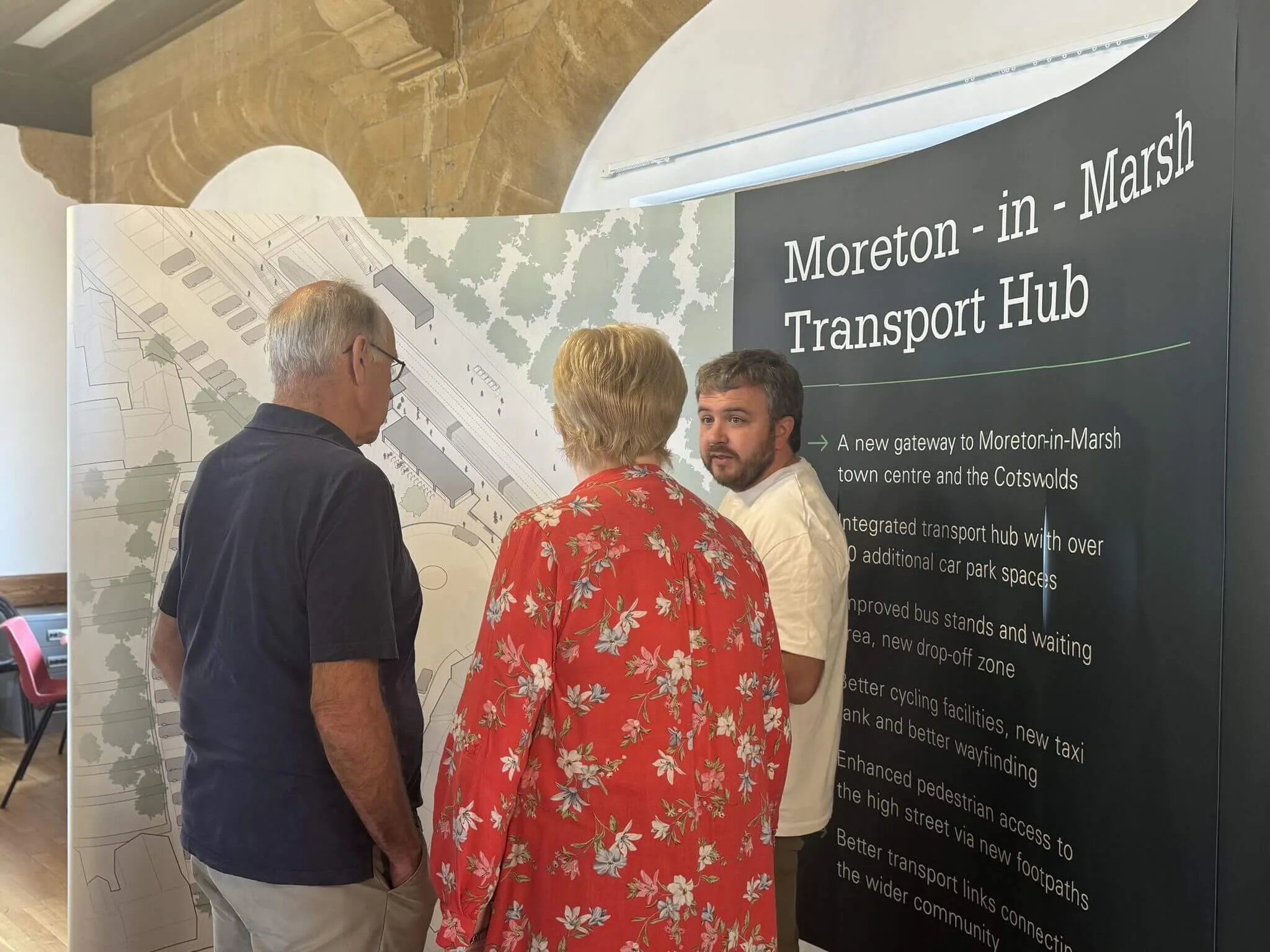
The proposals aim to alleviate town-centre parking pressures while improving access to the railway station, encouraging more sustainable travel choices and creating a more attractive, accessible public realm for residents, commuters and visitors.